Yoga for Back Pain: Why Most Back Pain Is Due to Weak and Stiff Muscles, Not Slip Disc

Back pain is commonly believed to be caused by a slip disc, but this is not true in most cases. While disc problems do exist, the majority of back pain cases are caused by weakened and stiff muscles resulting from lack of regular movement and exercise. Long hours of sitting, poor posture, stress, and inactivity slowly reduce the strength and flexibility of spinal muscles, leading to pain and discomfort. Practising yoga for back pain can effectively address these issues by enhancing strength, flexibility, and overall muscle function.
Understanding the Real Cause of Back Pain
How Yoga for Back Pain Can Transform Your Life
The Benefits of Incorporating Yoga for Back Pain
The spine depends on surrounding muscles for support and stability. When these muscles are not used regularly, they become weak and tight, placing extra strain on the spine. Over time, this leads to chronic pain even without any structural damage. Many people with normal MRI reports continue to experience pain because the issue lies in muscle dysfunction and stiffness, not the discs. Yoga focuses on improving muscle health, joint mobility, and posture, addressing the root cause rather than just the symptoms. By practising yoga for back pain, individuals can experience improved overall well-being.
Slip Disc Is Less Common Than People Think
A slip disc occurs when disc material presses on a nerve, often causing sharp pain, numbness, or tingling. However, such cases are far fewer compared to general muscular back pain. Avoiding movement due to fear of disc damage often worsens the condition. Prolonged rest weakens muscles further, increasing stiffness and pain. Gentle yoga movements help maintain spinal nutrition and prevent degeneration.
Yoga Asanas for Back Pain Relief
Yoga asanas work by gently strengthening weak muscles, stretching tight areas, and improving spinal alignment. The following asanas are generally safe for most people when practiced slowly and mindfully:
Tadasana (Mountain Pose) helps correct posture and teaches proper spinal alignment, which is essential for reducing daily strain on the back.
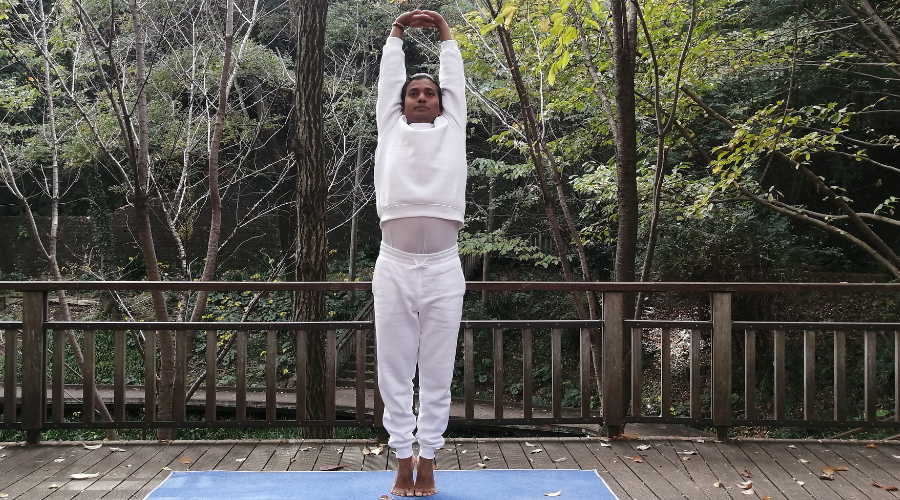
Marjariasana–Bitilasana (Cat–Cow Pose) improves spinal mobility and relieves stiffness by moving the spine through flexion and extension.
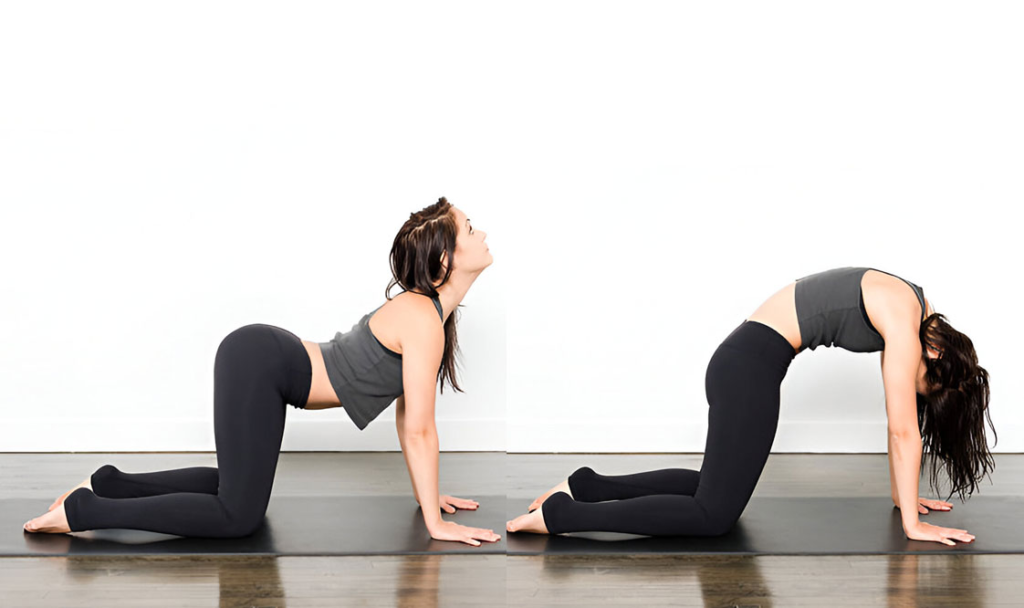
Shashankasana (Child’s Pose) relaxes the spine and releases tension from the lower back, making it highly beneficial for stress-related back pain.
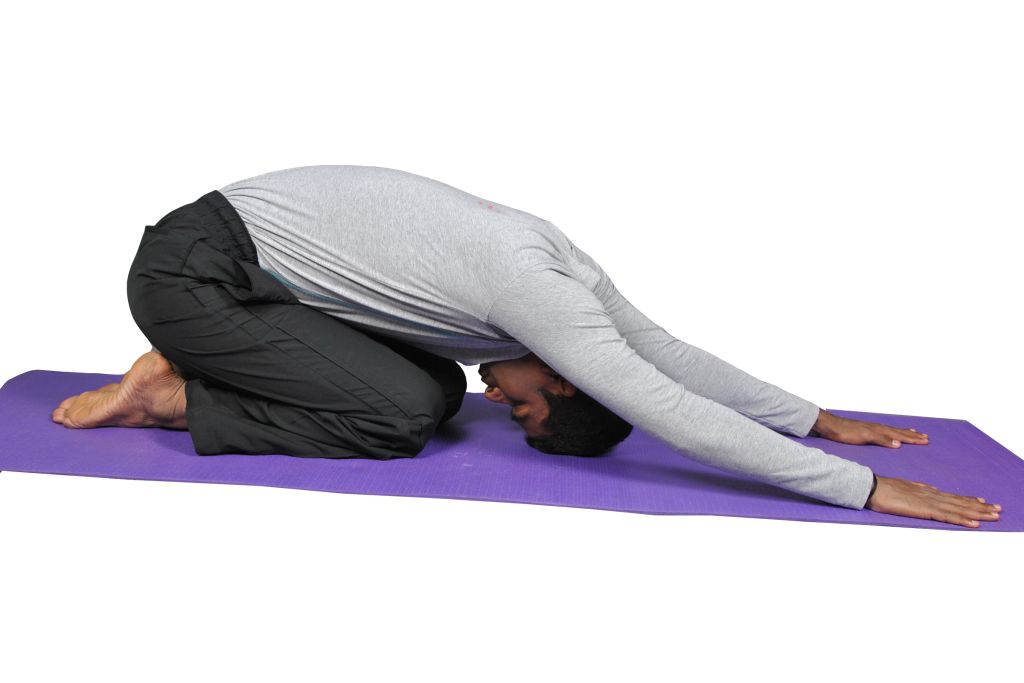
Bhujangasana (Cobra Pose) strengthens the lower back muscles and improves spinal flexibility when practiced without force.
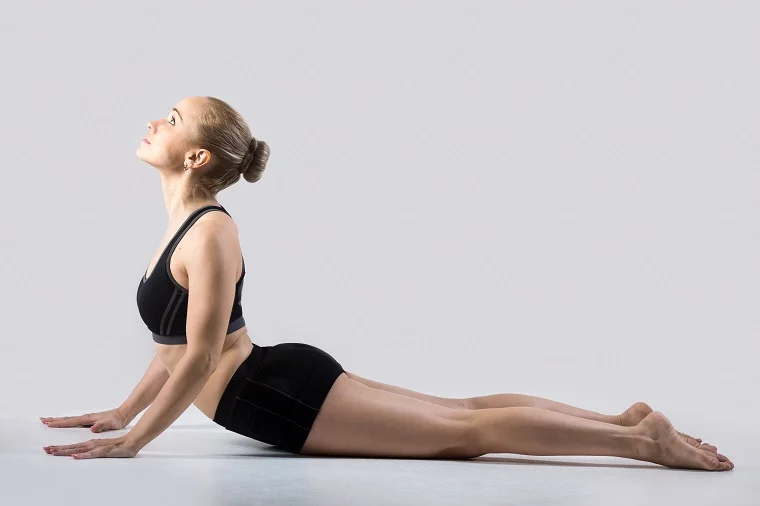
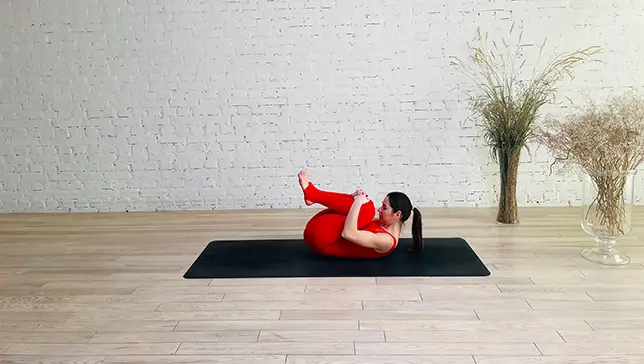
Pawanmuktasana (Wind-Relieving Pose) reduces stiffness in the lumbar region and supports the spine by relaxing surrounding muscles.
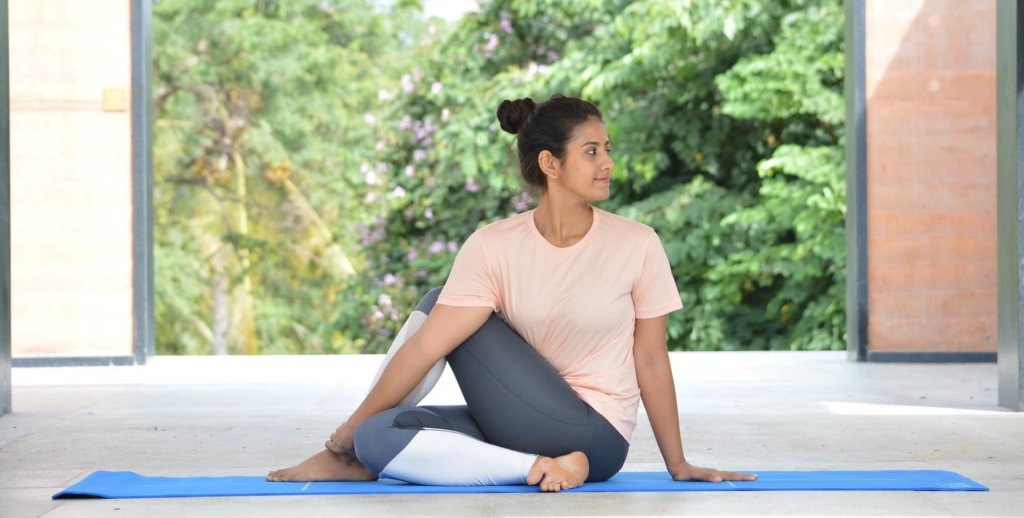
Ardha Matsyendrasana (Half Spinal Twist) improves spinal flexibility and releases compression between the vertebrae.
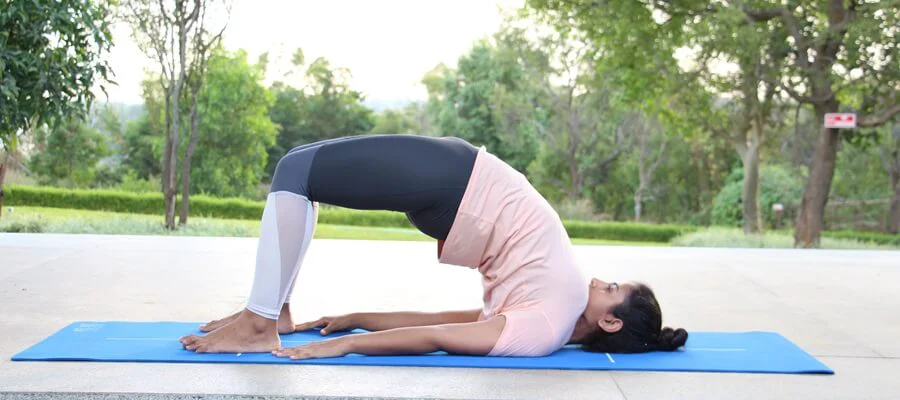
Setu Bandhasana (Bridge Pose) strengthens the back and hip muscles while improving spinal stability.
Shavasana (Relaxation Pose) allows deep muscular and nervous system relaxation, which is crucial for chronic pain relief.
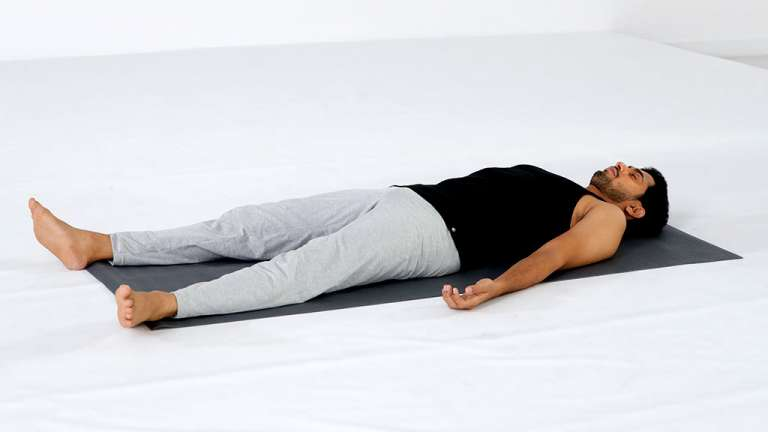
All asanas should be practiced within comfort limits. Pain should never be forced away; instead, movement should be slow, controlled, and awareness-based.
Pranayama for Back Pain Management
Breathing patterns directly affect muscle tension and pain perception. Stress and shallow breathing cause chronic tightening of back muscles, worsening pain. Pranayama helps relax the nervous system and improve oxygen supply to muscles.
Deep Yogic Breathing relaxes the spinal muscles and improves circulation.
Anulom Vilom (Alternate Nostril Breathing) balances the nervous system and reduces stress-related muscular tension.
Bhramari Pranayama (Humming Bee Breath) calms the mind and reduces pain sensitivity by activating the parasympathetic nervous system.
Nadi Shodhan supports mental calmness and improves coordination between breath and movement.
Forceful breathing practices should be avoided during acute pain or without proper guidance.
Importance of Regular Movement and Consistency
Yoga is most effective when practiced regularly rather than intensely. Even 15–20 minutes of daily yoga practice can significantly improve muscle strength, flexibility, and spinal health. The goal is to restore natural movement patterns and rebuild confidence in the body, not to achieve advanced postures.
Yogic Lifestyle for Long-Term Back Health
Yoga emphasizes a balanced lifestyle along with physical practice. Maintaining correct sitting posture, taking frequent movement breaks, eating light and nourishing food, managing stress, and following a regular daily routine (Dincharya) support spinal health. When combined with yoga and pranayama, these habits help prevent recurrence of back pain.
Conclusion
Back pain is not always caused by a slip disc, as commonly believed. In most cases, it results from weak and stiff muscles due to lack of movement and sedentary habits. Yoga offers a safe, natural, and holistic solution by strengthening the spine, improving flexibility, calming the mind, and restoring balance to the body. With consistent practice and proper guidance, yoga can provide long-term relief and help individuals regain confidence in movement and daily life.